eGov
Our work helped to raise the rank of Kazakhstan's e-government from 39 (2018) to 28 (2022), which make our system became one of the fast-developing e-governments in the world and got the special attention in the last survey - Significally reduced the costs for maintaining the government websites - Our “Memleket” Design System allowed to design one of the most downloadable aapps in Kazakhstan (eGov Mobile)

Overview
Unified Portal of Information Resources or eGov (e-government) is an official web and mobile portal of Kazakhstan's government that eases the way citizens interact with the government and its bodies.
Our main client was the Ministry of digital development, innovation, and aerospace industry of the Republic of Kazakhstan, which was represented by NITEC — JSC National Information Technologies, operator of the information and communication infrastructure of the «electronic government» of the Republic of Kazakhstan). And since it was the government body, we faced a lot of challenges in communications and discussions, such as challenging time constraints, subjectivity in making decisions, inconsideration of research facts and forcing the preconceived views of the authorities. I have to remark that as it influenced all our processes and results.
Our task was to design a consistent web portal for all government services, bodies, and departments, as well as create a unified design system to:
Create a centralized ecosystem that will be the guide and navigator on government sites, and a general information channel about the state, and its services/programs
Maintain unified standards for design, content, and data management, i.e. to design consistent style and logic for all the government's sites
My responsibilities included designing UI, creating IA, prototyping, and testing. As well as presenting results to the stakeholders. The project was done in collaboration with the designers from Azimut Labs. Although they mostly worked on the design of the mobile app “eGov Mobile”, they collaborated with me on some parts of the design system and web portal's UI.
Problem
The electronic government of Kazakhstan or eGov had already been around for 10+ years, as well as the websites of the government bodies. Totally, there were 200+ websites of 130+ state authorities with 18+ million users. However they failed to meet the users’ needs and to maintain technical and contextual relevance. So, essentially, there were issues like:
Lack of an "one window" model for the citizens
Inconsistent design and content
Inconsistent information architecture and general structure
Teams, functionality and services redundancy and duplication
Significant support costs for each website


Research
As we got all the requirements and expectations from the stakeholders, we started to research existing websites and web portals to better understand, what exact issues they share, who are the users and how we can improve it.
From the primary analysis we found out that:
Most of the users (95%) visit the state websites using desktop computers
(most of the websites did not have mobile version)
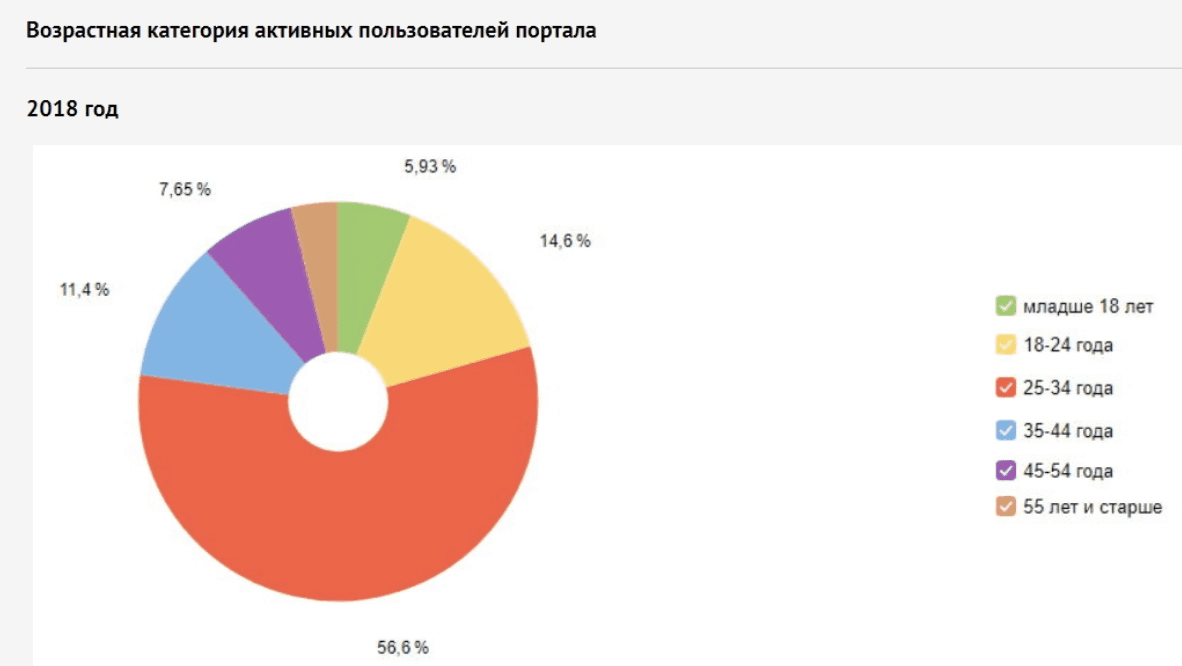
83% of the users were from 18 to 44 years old
The users mostly complained about the general usability and discoverability of
important information


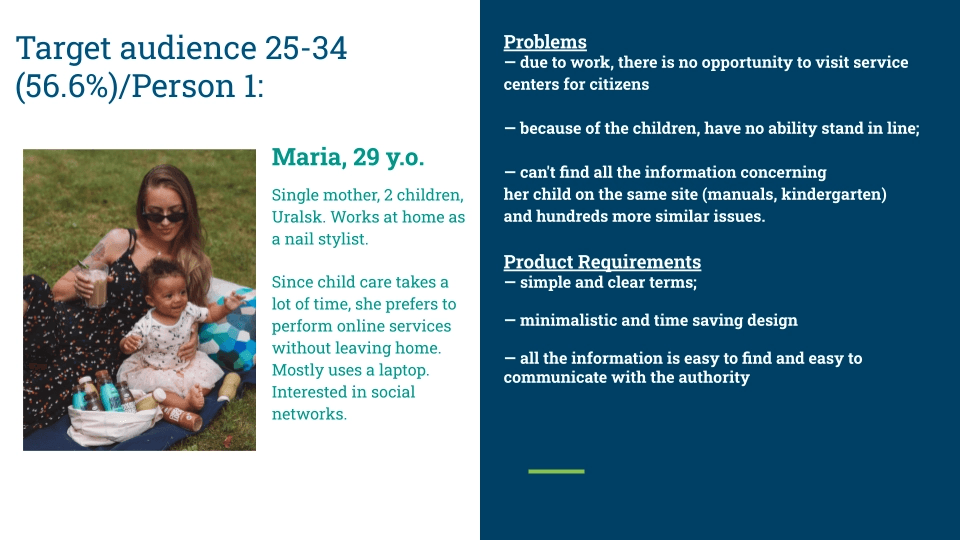
Based on the insight, we created three basic personas:


The "UN E-Government Survey” and special report about current Kazakhstan's eGov system, were another sources we extensively relied on for our research. Particularly, there were some reuiqrements for our government system that must be meet and problems the system must correct. Among many useful insights, the main ones for our works were:
Mobile version must be the top priority
Accessbility matters, e-gov have to reduce the inequality
Sustainable and open system is able to change socio-ecomonic situation in given coutry
Maturity of e-government correleates with the national income
In the 2018 survey the rank of Kazakhstan in e-government development was 39. Denmark had the highest rank, following by Australia, Republic of Korea and UK. United States, for example, was 11th.


OSI - Online Service Index
HCI - Human Capital Index
TII - Telecommunication Infrastructure Index
EGDI - E-Government Development Index
Further, we analysed e-government systems of top-ranked countries, such as Denmark, UK, Estonia, Finland and other to understand what our system lack and what can be improved.


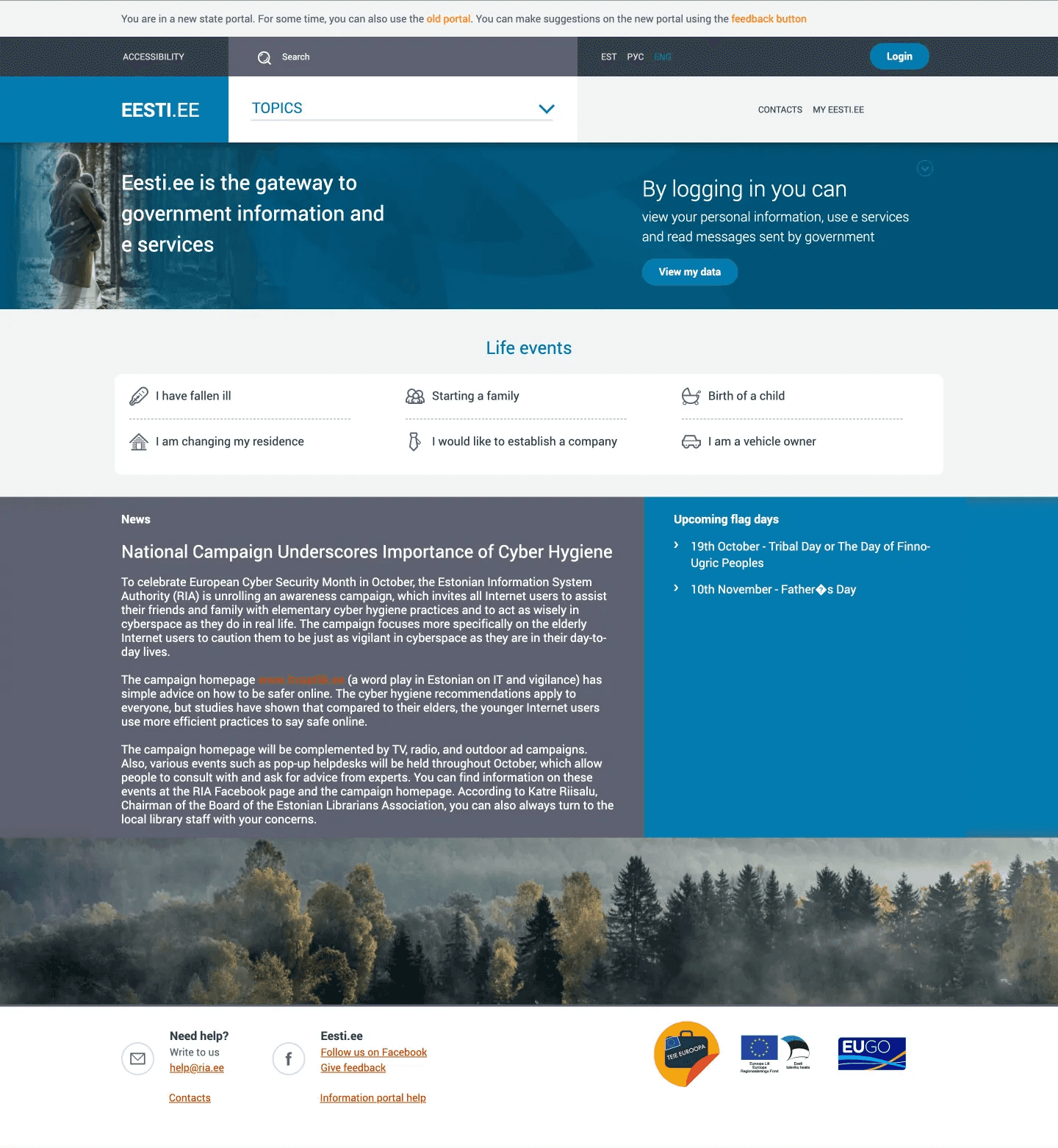
Next, we started to explore the opportunities for improvement. First of all, we examined most of the 200+ websites of authorities to get an idea about their data structure, inner hierarchy, technical implementation, and content strategy (where applicable). As well as run multiple interviews with stakeholders from NITEC and responsible bodies.
Due to the high affiliation of this project with the government, unfortunately, I have no right to reveal more details about this particular stage.
Ideation
With all the information we had, we were able to start working on our own concept.
Our idea was to create a unified and consistent template for all the state bodies that they would be able to use, change and improve. We planned to design:
An information architecture that will be applicable for most of the authorities’ websites
A design system which would be able to maintain the consistency among the websites
Examples of how to utilize the design system
First of all, we conducted number of card-sorting workshops with the stakeholders and the team to determine the best information structure.

Thus we developed the IA (one of my individual responsibilities) which was tested and agreed with the number of state bodies. I cannot argue that it was the best possible solution, but we did our best considering the context and time constraints.

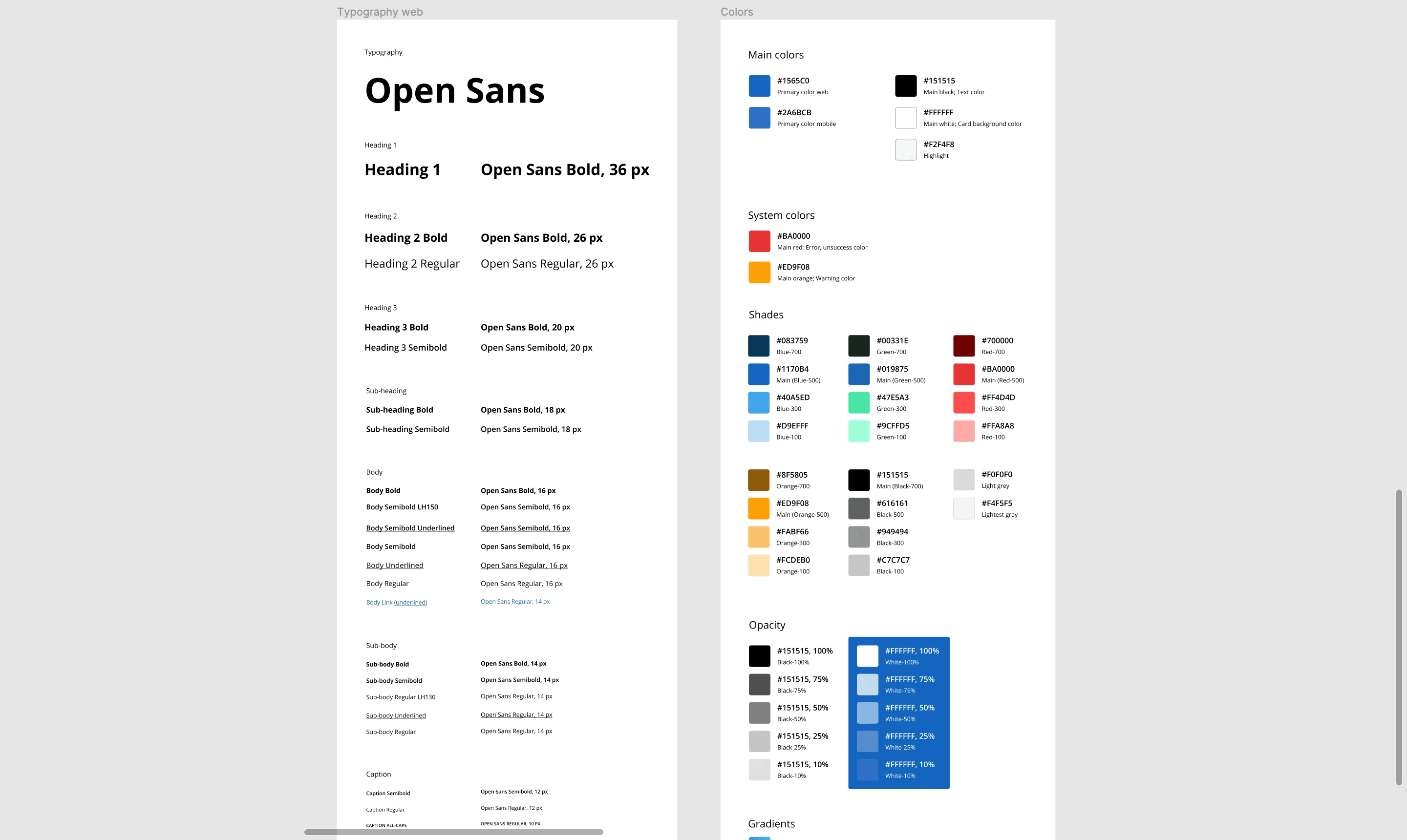
Another thing we considered and one of my specific commitments was the color. Before the beginning there was no one universal color, each authority had its color scheme. Still, the main e-gov website (egov.kz) was mostly green. And the stakeholders were not ready and eager to change that. But what I particularly found was the fact that the green shade which was used was not fully accessible.
Moreover, the green color is one of the least accessible colors for the people who have any degree of color blindness. To prove that we run automatic tests that showed how that color perceived.


As it is seen on the picture above, the green is only truly green when there is no color blindness. That is why we offered another color that would be:
Highly accessible
Associated with the government services, i.e. with openness, reliability and security
According to color theory and the heuristics, we found that the best color that met the conditions was the blue color. After several iterations we stopped on #1565C0 shade of blue. To find this particular shade we conducted multiple color tests, such as contrast test and accessbility tests.


Results
As a result, we designed three major things that impacted the whole e-government system:
The "Memleket” Design System, which now one of biggest design systems in Kazakhstan
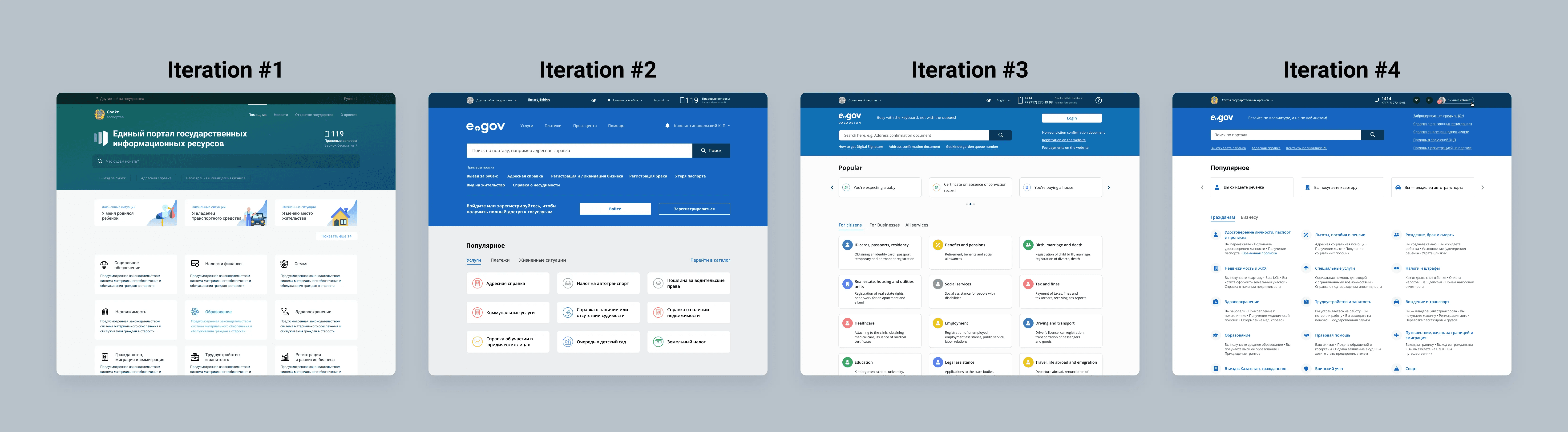
Redesign for current eGov website, with its mobile version
Templates for all state authorities